
Stump Grinding in Moultrie for properties with stumps blocking replanting, construction, or equipment access
Stumps left after tree removal create obstacles that prevent planting, damage mowing equipment, and delay construction projects across rural properties in Moultrie and Colquitt County. Bottomland Brush Control LLC uses professional stump grinding equipment to reduce stumps below grade, eliminating the visible obstruction and allowing soil to cover the area for replanting or site development. After grinding, you see wood chips filling the depression where the stump stood, ground leveled enough for equipment to cross without catching, and space ready for new trees, grass, or construction without working around a permanent obstacle.
Stump grinding involves positioning the grinder over the stump, lowering a rotating cutting wheel that chips away wood in passes, and grinding below soil level to remove the stump's structural mass. The grinder works around existing structures, fences, and utilities without damaging adjacent features, and the crew removes grinding debris after the stump is reduced. In Colquitt County's forestry cycle, land clearing generates steady stump removal demand, and property owners need reliable operators with maintained equipment because breakdowns mid-job leave projects stalled and sites unusable.
Schedule a site visit to review stump size, location constraints, and access requirements for grinding equipment.
Ground Cleared Below Surface Level
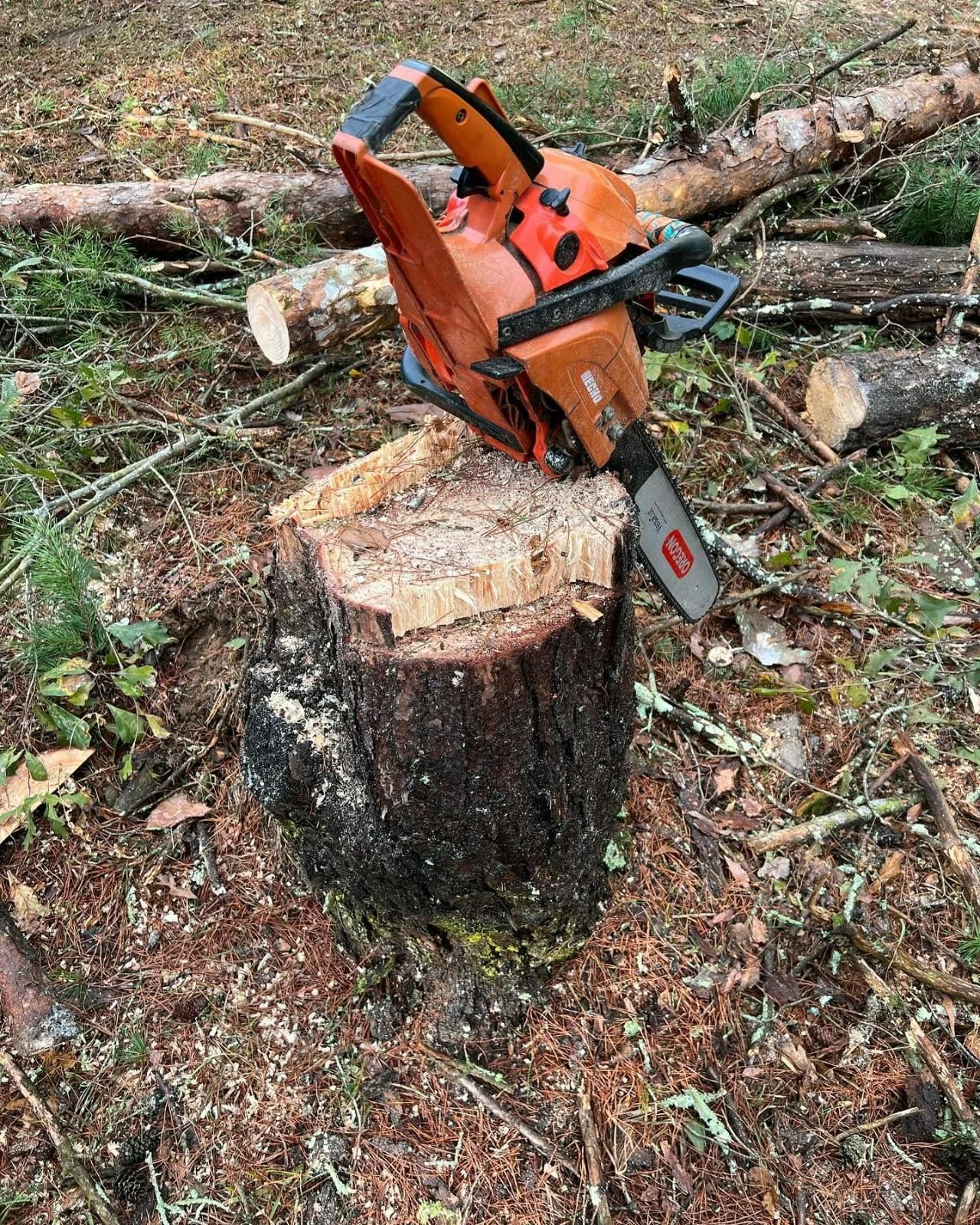

Why Stump Removal Matters for Long-Term Site Use
Grinding stumps completely prevents regrowth, eliminates tripping hazards, and removes rot-prone wood that attracts termites and carpenter ants near structures. The grinding process reduces stumps six to twelve inches below grade, which provides enough clearance for topsoil, sod, or construction fill without leaving shallow roots that interfere with digging or planting. Wood chips produced during grinding decompose over time, adding organic matter to the soil, but they settle below grade and do not create surface mounds that require repeated raking.
Bottomland Brush Control LLC completes stump grinding as part of post-clearing land preparation, which avoids scheduling separate contractors and allows site work to progress without gaps between clearing and grading phases. Properties prepared for construction benefit most from thorough stump removal because building pads, driveways, and utility trenches require stable soil without voids left by decomposing stumps. Grinding around existing utilities requires locating underground lines beforehand to prevent equipment damage, and the crew coordinates with utility providers when stump location creates proximity concerns.
Stump grinding does not remove root systems beyond the immediate stump area, but severing the main root mass during grinding prevents most species from resprouting. Large stumps produce significant wood chip volume, and the debris is either spread across the site as mulch or hauled away if the project requires clean grading for construction. Equipment access determines whether grinding occurs immediately after clearing or requires separate scheduling once site conditions improve.
What Property Owners Usually Ask
Landowners managing cleared properties, construction sites, and replanting projects in Moultrie often need details on grinding depth, debris handling, and timing before scheduling stump removal.
How deep does stump grinding go below ground level?
Professional grinders reduce stumps six to twelve inches below grade, which provides adequate clearance for topsoil, sod, or construction fill while avoiding unnecessary excavation that destabilizes surrounding soil.
What happens to the wood chips produced during grinding?
Wood chips are either left on-site to fill the depression and decompose as organic matter or hauled away if the project requires a clean surface for construction or landscaping that cannot accommodate grinding debris.
Can you grind stumps near buildings, fences, or utilities in Moultrie?
Grinding equipment maneuvers around existing structures and features, but operators require utility line locations before grinding near underground infrastructure to prevent accidental damage to water, electric, or gas lines.
How many stumps can be ground in one day?
Grinding speed depends on stump diameter, wood hardness, and site access, but an experienced operator with well-maintained equipment completes multiple stumps per day without the breakdowns that delay projects when rental machines fail mid-job.
Does stump grinding prevent trees from regrowing?
Grinding severs the stump below the root collar where regrowth originates, which stops most tree species from resprouting, though some aggressive species may send up shoots from lateral roots if those remain undisturbed.
Bottomland Brush Control LLC maintains stump grinding equipment year-round to support land clearing projects across Colquitt County, and six years of experience in equipment-intensive work ensures projects finish on schedule despite the demanding conditions that cause frequent machinery failures. Arrange a consultation to evaluate stump removal needs and site conditions in Moultrie.