
Storm Cleanup in Moultrie for Fallen Trees and Hazardous Limbs
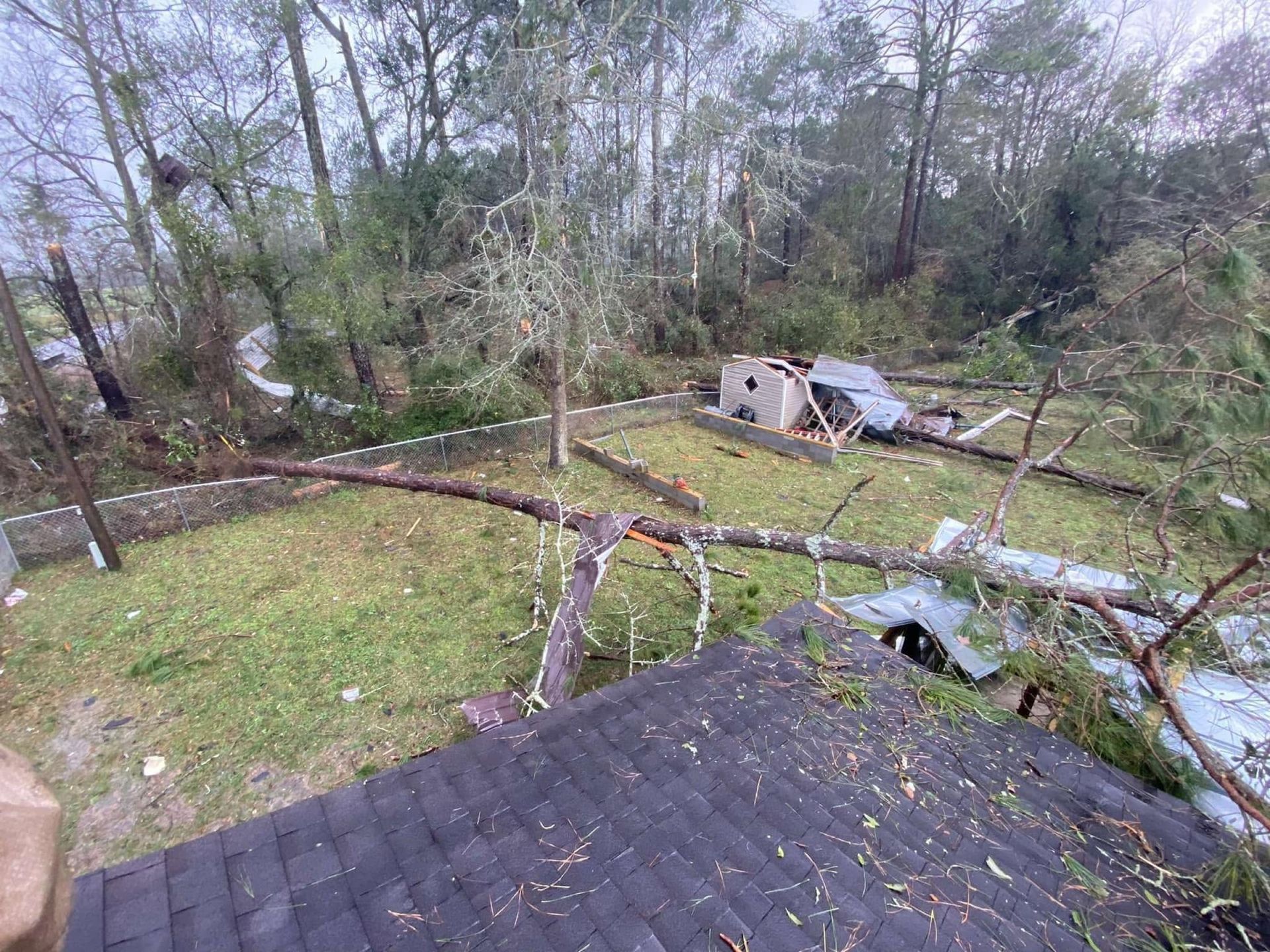
South Georgia's hurricane and severe weather season leaves properties buried under fallen trees, snapped limbs, and scattered debris that blocks access and creates safety hazards. Bottomland Brush Control LLC provides storm cleanup in Moultrie with equipment mobilization designed for rapid response after weather events, removing debris and restoring site safety so property owners can assess damage and move forward with repairs. The work involves clearing fallen trees, cutting and removing hazardous limbs still hanging in damaged canopies, and mulching or hauling debris depending on volume and disposal logistics.
Cleanup begins with removing debris that blocks driveways, structures, or access routes, then addressing trees that fell but didn't cause immediate damage. Hazardous limbs get identified and cut before they drop on their own, and debris gets processed into mulch using forestry equipment or hauled off-site if mulching isn't practical given the volume. Properties across the Moultrie-area emergency response zone often face multiple downed trees after hurricanes or severe thunderstorms, requiring phased cleanup that prioritizes access restoration first.
Request emergency debris removal to restore property access and address safety hazards after storm damage.
Debris Cleared After Severe Weather

What Storm Cleanup Actually Accomplishes
Storm cleanup involves cutting fallen trees into sections, removing debris from structures and access routes, identifying and cutting hazardous hanging limbs, and processing material into mulch or loading it for off-site disposal. Equipment handles everything from scattered branches to entire uprooted trees, with stump removal available if roots lifted during the fall and created ground hazards.
Once cleanup finishes, you'll see cleared driveways and access routes free of obstructions, no hanging limbs threatening to fall during the next wind event, and debris either mulched into ground cover or removed from the property entirely. Structures previously blocked or damaged by fallen trees become accessible for inspection and repair, and the property is safe to walk without navigating tangled limbs or unstable debris piles. Moultrie-area properties often schedule cleanup within days of a storm to prevent secondary damage from debris shifting or hanging limbs dropping unexpectedly.
The service focuses on debris removal and immediate hazard elimination but does not include structural repairs, roof tarping, or utility line work. If trees fell onto power lines, utility coordination happens before removal begins to ensure safe clearance. Properties with extensive damage may require phased cleanup, starting with access restoration and progressing to full debris removal as equipment and scheduling allow.
What Owners Ask After Storms
Storm cleanup raises urgent questions about response time, what gets prioritized, and how debris disposal works when volume overwhelms normal methods.
How quickly can you respond after a hurricane or severe storm in Moultrie?
Equipment mobilizes within 24 to 48 hours depending on the extent of damage across the service area and current project commitments. Properties with blocked access or immediate safety hazards get prioritized.
What happens to debris after storm cleanup?
Debris gets mulched on-site if volume allows, reducing disposal costs and leaving organic ground cover. Larger storms generate debris loads that exceed mulching capacity, requiring hauling to designated disposal sites.
Do you remove trees that fell on structures during cleanup?
Trees on structures get sectioned and removed carefully to avoid additional damage, but structural repairs and roof work happen separately through contractors. Cleanup focuses on debris removal and site restoration.
Can you handle multiple downed trees after a major weather event?
Equipment processes multiple trees in a single mobilization, with phased cleanup scheduled if debris volume requires staged removal. Site assessment after arrival determines the timeline and approach.
What if hanging limbs are still in damaged trees around Colquitt County?
Hazardous limbs get cut and removed before they fall on their own, eliminating secondary damage risks. Identifying unstable canopy sections is part of the post-storm site evaluation.
Bottomland Brush Control LLC operates in the Moultrie-area emergency response zone, mobilizing equipment and crews to remove storm debris and restore property safety after severe weather. Arrange same-day or next-day emergency cleanup to address fallen trees, hazardous limbs, and blocked access routes on your property.